De Bruyne and Hojlund, the contrast between the selection
De Bruyne and Hojlund show different performance in their national team and in Napoli, as discussed on Maracanà, the popular radio broadcast.
By Nieves Gómez
November 17, 2026 at 09:52 AM
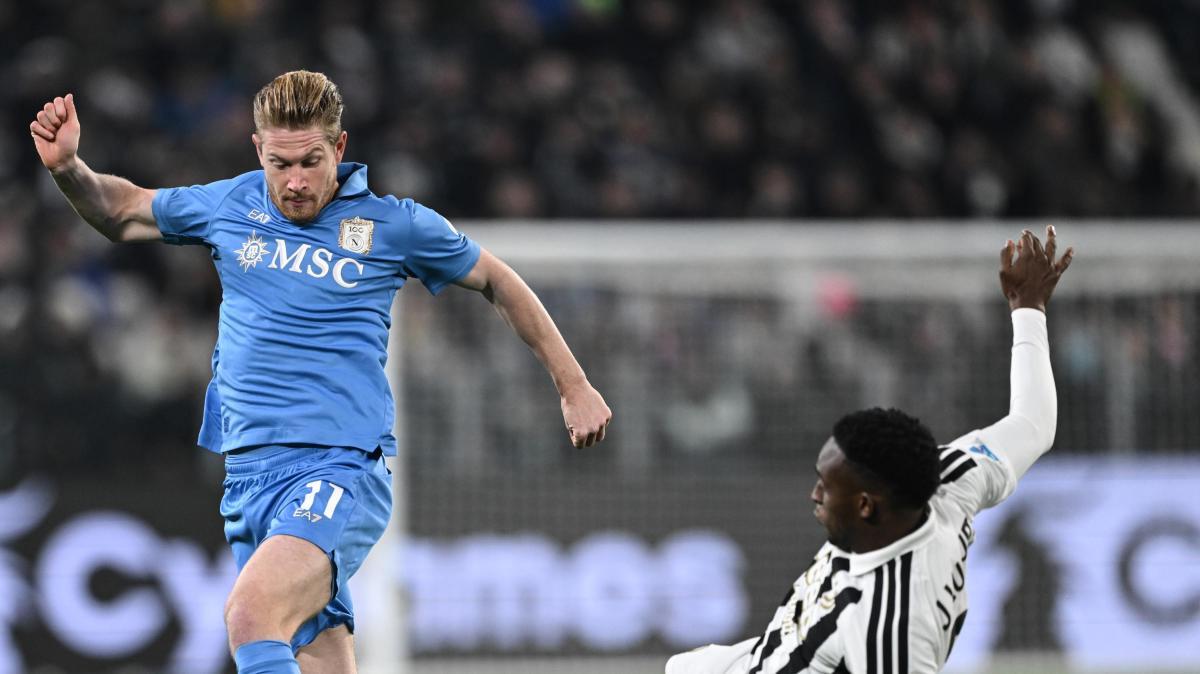
According to Tuttomercatoweb.
Why it matters
De Bruyne and Hojlund, the contrast between the national team and Napoli carries wider implications for the teams, players, and competition context discussed in this report.
Key points
- De Bruyne and Hojlund, the contrast between the selection.
- De Bruyne and Hojlund show different performance in their national team and in Napoli, as discussed on Maracanà, the popular radio broadcast.
- De Bruyne and Hojlund, il perché di questo "doppio volto" tra Nazionale e Napoli.
In a recent broadcast on Maracanà radio, the performances of Kevin De Bruyne and Rasmus Hojlund were discussed, two footballers who have presented a notable "double face" between their performance in the national team and in the Napoli club. This analysis reveals how different contexts can significantly influence players' performance, highlighting their skills and challenges on both platforms.
Kevin De Bruyne, renowned for his extraordinary vision and ability to create chances, has faced mixed reviews for his performance for the Belgian national team compared to his outstanding performance for Manchester City. While at his club, De Bruyne is considered one of the best midfielders in the world, his contribution to the national team has been the subject of debate among fans and analysts. The pressure of representing his country could be affecting his game, despite his undeniable quality.
On the other hand, Rasmus Hojlund, Napoli's young forward, has experienced notable growth in his career, but his performance may vary when playing for the Danish national team. While in the Italian league he has shown flashes of brilliance and has begun to adapt to Napoli's style of play, expectations are high when it comes to his contribution to the national team. The inconsistency in his performance may be a reflection of his youth and the need for maturity on the international stage.
This "double face" phenomenon is not unique to De Bruyne and Hojlund. Many players experience pressure from the national team, which may be different than what they feel at their clubs. Familiarity with the style of play and chemistry with teammates at the club can make a player shine for their club yet feel out of place or pressured when representing their country.
The Maracanà analysis highlights the importance of understanding the different environments in which players operate and how these can influence their performance. Fan pressure, media expectations and team dynamics are all factors that play a crucial role in a player's success or failure on the international stage.
What's next
The next phase should bring official updates, squad decisions, and a clearer picture of what this means on the pitch.